
"La Réunion coffee"
30 article(s) found

What kind of bourbon is it? On the spread and Development History of Bourbon Coffee
For more information on coffee beans, please follow the coffee workshop (Wechat official account cafe_style) Bourbon in 1714 France Minister to the King asked La Runion, then known as island of Bourbon, to collect / grow coffee from Mocha (Yemen). At that time, King Yemen liked the French (1712 cured his ear disease) and provided 60.

La Reunion Reunion, a coffee producer in the world
Is no longer the hometown of bourbon Arabica coffee beans. In 1715, the first coffee trees (about 40) were transported from the Yemeni port of Moka to La Runion, but unfortunately only two survived. By 1719, coffee plantations had begun to flourish and the first coffee beans were sold. Over the next few years, the government took a hard measure: the islanders, whether black or white, had to
Coffee producing area Coffee introduction Reunion Coffee
Is no longer the hometown of bourbon Arabica coffee beans. In 1715, the first coffee trees (about 40) were transported from the Yemeni port of Moka to La Runion, but unfortunately only two survived. By 1719, coffee plantations had begun to flourish and the first coffee beans were sold. Over the next few years, the government took a hard measure: the islanders, whether black or white, had to
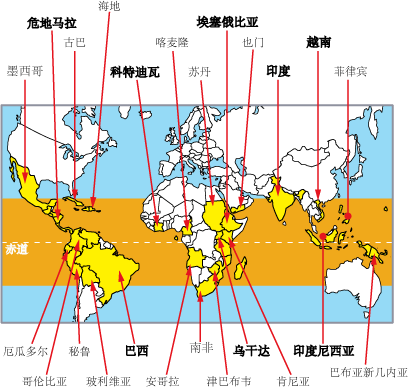
The characteristics of Arabica beans coffee producer reunion coffee beans reunion
Reunion is no longer the hometown of bourbon Arabica coffee beans. In 1715, the first coffee trees (about 40) were transported from the Yemeni port of Moka to La Runion, but unfortunately only two survived. By 1719, coffee plantations had begun to flourish and the first coffee beans were sold. Over the next few years, the government adopted a rigid measure: no matter whether the island's residents were black or black.
The hometown of bourbon Arabica coffee beans, Reunion.
Is no longer the hometown of bourbon Arabica coffee beans. In 1715, the first coffee trees (about 40) were transported from the Yemeni port of Moka to La Runion, but unfortunately only two survived. By 1719, coffee plantations had begun to flourish and the first coffee beans were sold. Over the next few years, the government took a hard measure: the islanders, whether black or white, had to
Starting with Coffee beans (45)-Asia-Reunion
Is no longer the hometown of bourbon Arabica coffee beans. In 1715, the first coffee trees (about 40) were transported from the Yemeni port of Moka to La Runion, but unfortunately only two survived. By 1719, coffee plantations had begun to flourish and the first coffee beans were sold. Over the next few years, the government took a hard measure: the islanders, whether black or white, had to
Coffee producing area Coffee introduction to New Caledonia
The glory that is gone. New Caledonia (New Caledonia) is a former French colony, with only 10 per cent of the land available for farming, with coffee and corn as its main crops. Missionaries introduced coffee from La Runion in 1860, but by 1987 only 40 tons were produced each year, of which 37 tons were exported, mostly to France. The variety of coffee beans is an extraordinary Robbins.

Recommended by coffee and bean producing countries of Reunion
In 1715, the first coffee trees (about 40) were transported from the Yemeni port of Moka to La Runion, but unfortunately only two survived. By 1719, coffee plantations had flourished and the first beans were sold. Over the next few years, the government took a hard measure: the islanders, black and white, had to plant 100 coffee trees a year. The law was amended in 1723
Coffee producing area-- Reunion
In 1715, the first coffee trees (about 40) were transported from the Yemeni port of Moka to La Runion, but unfortunately only two survived. By 1719, coffee plantations had flourished and the first beans were sold. Over the next few years, the government took a hard measure: the islanders, black and white, had to plant 100 coffee trees a year. The law was amended in 1723
Coffee beans Asian Reunion
No longer home to bourbon arabica beans. In 1715, the first coffee trees (about 40) were transported from Mocha port in Yemen to La Runion, but unfortunately only two survived. By 1719, coffee plantations were flourishing and the first coffee beans were sold. In the years that followed, the government adopted a rigid measure: every inhabitant of the island, black or white, had to
Start with coffee beans (52)-Oceania-New Caledonia
The glory that is gone. New Caledonia (New Caledonia) is a former French colony, with only 10 per cent of the land available for farming, with coffee and corn as its main crops. Missionaries introduced coffee from La Runion in 1860, but by 1987 only 40 tons were produced each year, of which 37 tons were exported, mostly to France. The variety of coffee beans is extraordinary, Robes.
Coffee beans Oceania New Caledonia
The glory that is gone. New Caledonia (New Caledonia) is a former French colony, with only 10 per cent of the land available for farming, with coffee and corn as its main crops. Missionaries introduced coffee from La Runion in 1860, but by 1987 only 40 tons were produced each year, of which 37 tons were exported, mostly to France. The variety of coffee beans is extraordinary, Robes.
The producer of boutique coffee beans, New Illidonia.
The glory that is gone. New Caledonia (New Caledonia) is a former French colony, with only 10 per cent of the land available for farming, with coffee and corn as its main crops. Missionaries introduced coffee from La Runion in 1860, but by 1987 only 40 tons were produced each year, of which 37 tons were exported, mostly to France. The variety of coffee beans is an extraordinary Robbins.
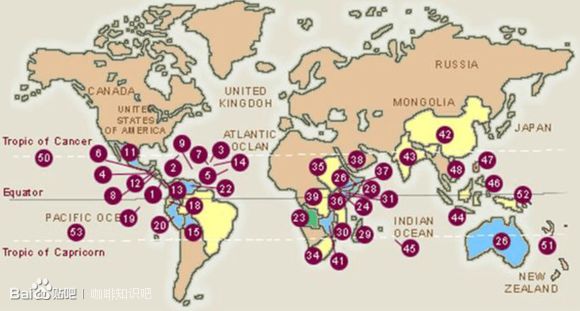
New Caledonian coffee beans in Asian manor have rich taste, delicate and smooth flavor.
New Caledonia's lost glory New Caledonia (New Caledonia) is a former French colony, with only 10 per cent of the land available for farming, with coffee and corn as its main crops. Missionaries introduced coffee from La Runion in 1860, but by 1987 only 40 tons were produced each year, of which 37 tons were exported, mostly to France. Are the varieties of coffee beans different?
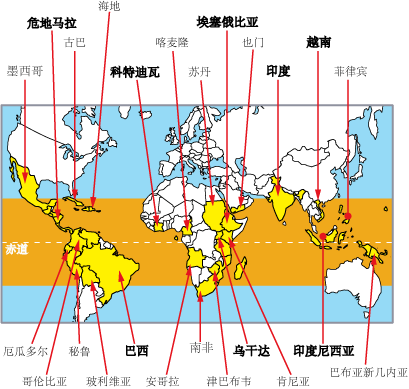
The characteristic coffee beans of Arabica beans New Caledonia
The lost glory of New Caledonia. New Caledonia (New Caledonia) is a former French colony, with only 10 per cent of the land available for farming, with coffee and corn as its main crops. Missionaries introduced coffee from La Runion in 1860, but by 1987 only 40 tons were produced each year, of which 37 tons were exported, mostly to France. The variety of coffee beans is right and wrong
Boutique Coffee beans Common sense New Illidonia
The glory that is gone. New Caledonia (New Caledonia) is a former French colony, with only 10 per cent of the land available for farming, with coffee and corn as its main crops. Missionaries introduced coffee from La Runion in 1860, but by 1987 only 40 tons were produced each year, of which 37 tons were exported, mostly to France. The variety of coffee beans is an extraordinary Robbins.

The lost glory of New Caledonia Coffee
The glorious New Caledonia is a former French colony, with only 10 per cent of the land available for farming, with coffee and corn as its main crops. Missionaries introduced coffee from La Runion in 1860, but by 1987 only 40 tons were produced each year, of which 37 tons were exported, mostly to France. The variety of coffee beans is an extraordinary Robbite.
It is no longer the hometown of bourbon Arabian coffee beans, Reunion.
Is no longer the hometown of bourbon Arabica coffee beans. In 1715, the first coffee trees (about 40) were transported from the Yemeni port of Moka to La Runion, but unfortunately only two survived. By 1719, coffee plantations had begun to flourish and the first coffee beans were sold. Over the next few years, the government took a hard measure: the islanders, whether black or white, had to

The port of Mocha in Yemen is transported to the Reunion single Coffee Manor.
In 1715, the first coffee trees (about 40) were transported from the Yemeni port of Moka to La Runion, but unfortunately only two survived. By 1719, coffee plantations had flourished and sold the first coffee beans. Over the next few years, the government adopted a rigid measure: residents of the island, whether black or white, had to plant 10% a year.

The hometown of bourbon Arabica coffee beans, reunion coffee beans in Yemen
Is no longer the hometown of bourbon Arabica coffee beans. In 1715, the first coffee trees (about 40) were transported from the Yemeni port of Moka to LaRunion, but unfortunately only two survived. By 1719, coffee plantations had begun to flourish and the first coffee beans were sold. Over the next few years, the government took a hard measure: the islanders, whether black or white,